
Why is My Cat Drooling? Reasons and When to See a Vet
Many cat owners become concerned when they notice saliva around their cat's mouth. While occasional drooling may be harmless, excessive drooling in cats can sometimes signal a health issue. Understanding the possible causes can help you determine when drooling is normal and when veterinary attention is needed.
Do Cats Drool?
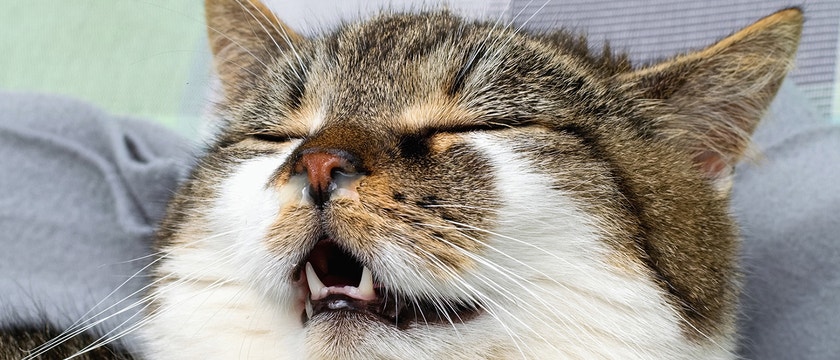
Yes, cats can drool occasionally. Some cats drool when they are extremely relaxed, content, or enjoying affection from their owners. You may even notice a small amount of cat drool when sleeping or during a particularly enjoyable cuddle session. However, frequent salivation, sudden changes in drooling behavior, or drooling alongside other symptoms may indicate a problem.
Why Is My Cat Drooling?
If you've been wondering, "my cat is drooling why?". Let's have a look at common cat drooling causes:
- Happiness and relaxation: Some cats produce a small amount of saliva when they feel safe and content. This is the main reason why cats drool when sleeping. This type of salivation is usually temporary.
- Dental problems: Dental disease is one of the most common reasons for cat drooling. Conditions such as gum disease, tooth infections, oral injuries, or broken teeth can cause pain and increased saliva production.
- Oral foreign objects: A piece of string, grass, or another object stuck in the mouth can lead to irritation and excessive salivation.
- Nausea: Motion sickness, digestive upset, or certain health conditions may cause the cat to salivate and drool.
- Exposure to toxins: Household cleaners, toxic plants, medications, or chemicals can trigger sudden and severe drooling.
- Respiratory or viral infections: Some infections can cause mouth ulcers and inflammation, leading to excessive drooling in cats.
- Heat or stress: In rare situations, stress, anxiety, or overheating may contribute to drooling.
My Cat Is Drooling: Is It Normal or Not?
Normal cat drooling is usually:
- Mild
- Occasional
- Associated with relaxation
- Not accompanied by other symptoms
Abnormal cat drooling may include:
- Thick or excessive saliva
- Bad breath
- Pawing at the mouth
- Swelling around the face
- Difficulty eating
- Weight loss
- Changes in behavior
If your cat is salivating and is showing any of the symptoms above, a checkup is recommended.
When To Worry About Cat Drooling
You should contact a veterinarian if:
- Drooling begins suddenly
- Your cat is drooling and not eating
- Your cat appears uncomfortable
- There is blood in the saliva
- Drooling persists for more than a day
- You notice the cat drooling and not eating
- Your cat becomes lethargic
- Vomiting accompanies drooling
Hidden Health Concerns Behind Drooling
Several medical conditions can contribute to chronic or excessive drooling.
- Dental disease: Dental diseases like gingivitis are one of the most frequent causes of drooling in cats.
- Stomatitis: A painful inflammatory condition affecting the mouth can result in severe drooling and difficulty eating.
- Kidney disease: Advanced kidney disease can contribute to oral ulcers and increased saliva production.
- Neurological conditions: Certain nervous system disorders can impair swallowing and cause drooling.
- Oral tumors: Growths in the mouth may cause irritation, discomfort, and excessive salivation.
Tongue issues: If your cat is drooling and its tongue is sticking out, oral pain, dental disease, or nerve-related issues may be involved.
Although some owners search for a home remedy for cat drooling, treatment depends entirely on the underlying cause. Veterinary diagnosis is essential for persistent or severe symptoms.
More Than Just a Little Dribble
Occasional cat dribble can be perfectly normal, especially when a cat feels relaxed and content. However, excessive or persistent drooling often signals a concern that you need to manage. Understanding the possible causes and knowing when to seek a vet's help can support your cat's comfort, health, and overall wellbeing. For more advice on cat health and wellness, take some time to explore the WHISKAS® blog for more insights on pet care.