
Common Cat Eye Diseases: Types, Signs, and Prevention
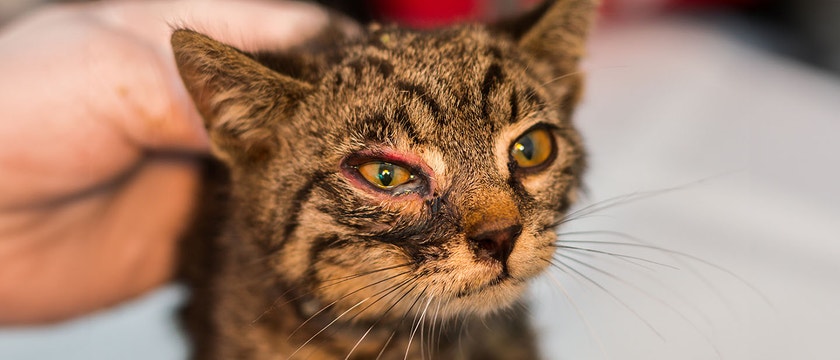
Your cat’s eyes can tell you a lot about how they’re feeling. Redness, excessive tearing, discharge, squinting, or cloudiness may seem minor at first, but they can sometimes point to irritation, infection, injury, or a potentially serious condition. Knowing what to look for can help you spot changes early and get your cat the right care when they need it. In this guide, we’ll cover common cat eye problems, the signs to watch for, and simple ways to help care for your cat’s eyes.
Key Takeaways
- Squinting, pawing, redness, swelling, discharge, and cloudiness can indicate an eye problem.
- Conjunctivitis is common, but similar signs may also occur with ulcers or other conditions.
- Never use human eye drops, leftover medication, or home remedies. Always follow veterinary guidance.
- Sudden pain, cloudiness, injury, or vision changes require prompt veterinary attention.
- Regular check-ups, vaccination, and a clean living environment may reduce some risks.
What Are The Signs Of Cat Eye Problems?
Cat eye problems can affect one or both eyes, and the signs can vary depending on the cause. Keep an eye out for:
- Frequent blinking or squinting
- Pawing or rubbing the face
- Redness or swelling
- Clear, yellow, or green discharge
- Sensitivity to light
- A visible third eyelid
- Excessive tearing
- Changes in pupil size
- A cloudy or bluish appearance
- Trouble seeing or bumping into objects
Even something that looks like a simple cat sore eye can be uncomfortable and may have several possible causes. If your cat keeps an eye partly or completely closed, develops sudden cloudiness or discharge, or appears to be in pain, contact your veterinarian.
What Are The Common Cat Eye Problems?
Several conditions can cause redness, tearing, discharge, or discomfort in your cat’s eyes. While some may involve an eye infection in cats, similar symptoms can also occur because of injury, irritation, or other disorders. Here is a list of the various types of diseases in cats' eyes:
Conjunctivitis (pinkeye)
Conjunctivitis, commonly known as pinkeye, is a common eye infection for cats and can affect felines of any age. It develops when the thin membrane lining (conjunctiva) of the inner eyelid becomes inflamed and may be caused by viruses, bacteria, irritants, foreign material, eyelid abnormalities, and other eye conditions.
Your cat may show redness, swelling, discharge, squinting, or signs of discomfort. Since these symptoms can have different causes, a veterinarian should recommend the right treatment.
Corneal disorders
The cornea is the clear outer surface of the eye. Scratches from rough play, foreign objects, or other injuries can damage the cornea and may cause ulcers. Cats may show pain, sensitivity to light, excessive tearing, or a cloudy patch on the eye. A red eye in cats should be examined promptly, especially if it’s accompanied by squinting or cloudiness.
Watery, tearing eyes (epiphora)
Epiphora refers to excessive or overflowing tears from the eyes. It can happen when the eyes produce too many tears or when tears do not drain properly. A watery-eyed cat may be experiencing irritation, inflammation, a blocked tear duct, an eye injury, or another underlying condition.
Dry eye (keratoconjunctivitis sicca)
Conjunctivitis Sicca or commonly known as the dry eye disorder in cats, is one of the most common cat eye diseases. It prevents the tear glands near the eyes from producing adequate tears, causing the mucous lining and the cornea of the inner eye to suffer from dryness. This leads to sore eyes, eye irritation, and sensitivity to light, making it crucial to get proper cat eye infection treatment.
What Are The Less Common Cat Eye Problems?
Some eye conditions occur less often but still need timely veterinary attention. Common examples include:
- Glaucoma: Increased pressure inside the eye can cause pain, enlarged pupils, and vision loss.
- Cataracts: Clouding of the lens may affect vision, especially in older cats or those with health conditions.
- Entropion: The eyelid rolls inward, allowing fur or eyelashes to rub against the cornea.
- Dry eye: Also called keratoconjunctivitis sicca, this condition occurs when the eyes do not produce enough tears.
- Cherry eye: A small, red swelling appears near the inner corner of the eye.
- Iris conditions: Changes in the color or appearance of the iris may require prompt assessment.
If you notice any of these diseases in your cat’s eyes, contact your vet.
How To Prevent Cat Eye Problems?
Not every cat eye condition can be prevented, but good everyday care can help reduce irritation and make it easier to catch changes early.
- Schedule regular veterinary check-ups.
- Keep vaccinations up to date.
- Keep your cat’s living area clean and free from dust, smoke, and strong chemicals.
- Remove sharp objects from play areas to reduce the risk of eye injuries.
- Keep cats with contagious infections separate from other cats.
- Check your cat’s eyes regularly for redness, swelling, or unusual discharge.
- Clean the fur around the eyes gently with a clean, damp pad when needed.
- Avoid using human eye drops or medicines without veterinary advice.
- Serve complete and balanced cat food with adequate taurine to help support healthy eyes and vision.
Keeping Your Cat’s Eyes Healthy
Healthy eyes play an important role in your cat’s overall well-being, helping them explore, play, and interact confidently with the world around them. Signs such as redness, watering, discharge, squinting, or cloudiness may seem small, but these symptoms can easily progress into something serious. Paying attention to these changes can help you act early and keep your cat comfortable.
If your cat develops an eye problem, avoid using unprescribed remedies. Attempting cat eye discharge treatment at home or using unproven medications may worsen symptoms or delay the right care. If symptoms persist, worsen, or cause visible pain, speak to your veterinarian. For more advice on cat health, nutrition, and everyday care, explore the WHISKAS® blog.