
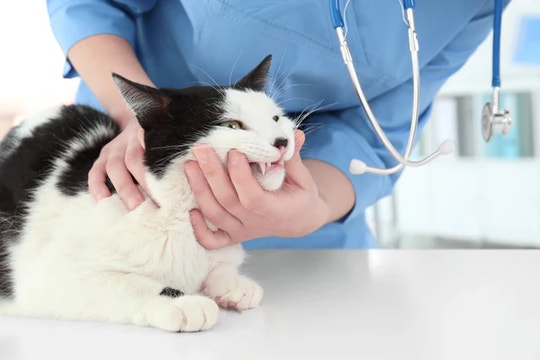
Stomatitis in Cats: Signs, Causes, Treatment
Stomatitis in cats is a painful inflammatory condition that affects the tissues inside a cat's mouth. Also known as feline chronic gingivostomatitis, this condition can cause a great deal of discomfort and make it difficult for them to engage in daily acvitities. To secure your cat's wellness, understanding the signs, causes, and treatment of Stomatitis in cats is key.
What Is Stomatitis in Cats?
Stomatitis in cats is a severe inflammation affecting the gums, cheeks, tongue, throat, and other soft tissues inside the mouth. Unlike simple gingivitis, which affects only the gumline, stomatitis involves widespread inflammation throughout the oral cavity. Many cases are referred to as severe stomatitis in cats because the condition can cause intense pain and chronic oral irritation.
What Are the Symptoms of Stomatitis in Cats?
There are numerous signs to look for to figure out if a cat has stomatitis:
- Bad breath: It is not always an indicator of the disease; however, cats with stomatitis leave a particular foul stench that is usually very noticeable.
- Inflamed and bleeding gums: Severely inflamed gums are a key sign of this disease. If left untreated, the gums may begin to bleed.
- Weight loss: Inflammation and swelling in the mouth cause the cat to eat slower and stop eating altogether, which results in rapid weight loss.
- Lack of grooming: Feline stomatitis causes a lot of pain, so a lot of cats with the disease will begin to groom themselves less and less.
- Excessive drooling: Unlike dogs, it is not common for cats to drool; it is often considered a sign of pain and discomfort.
What Causes Stomatitis in Cats?
The exact cause of gingivostomatitis in cats is not fully understood. However, it is thought to involve an abnormal immune response to bacteria and plaque in the mouth. Several factors may contribute to or worsen the condition, including:
- Dental plaque buildup
- Viral infections such as calicivirus
- Feline immunodeficiency virus (FIV)
- Feline leukaemia virus (FeLV)
- Genetic predisposition
- Chronic dental disease
Stomatitis in Cats Treatment
Cat stomatitis treatment focuses on reducing pain, controlling inflammation, and improving oral health. Treatment options may include:
- Antibiotic treatment: Antibiotics are used to control flare-ups and bacterial infections that can worsen the pain and inflammation.
- Steroids: Steroids are used in severe cases of stomatitis in cats. It helps in regaining control during a flare-up.
- Non-steroidal anti-inflammatory drugs (NSAIDs): Another common treatment for feline stomatitis. It helps reduce inflammation and pain.
- Tooth removal: If the condition has worsened, the best course of treatment is to remove the tooth. In extreme cases, multiple teeth may need to be removed to control the disease.
Some pet parents also search for home remedies for stomatitis in cats, but home care alone is usually not enough to control this condition. It is best to consult a veterinarian and get expert advice on
A Healthier Mouth, A Happier Cat
Stomatitis in cats is a painful condition, but early recognition and proper veterinary care can help improve your cat’s comfort and quality of life. Understanding common cat stomatitis symptoms and available treatment options can help pet parents know when to seek veterinary attention. Regular veterinary check-ups, appropriate dental care, and balanced nutrition can also help support your cat’s overall health. For more helpful tips on cat health and pet parenting, visit the WHISKAS® blog!