
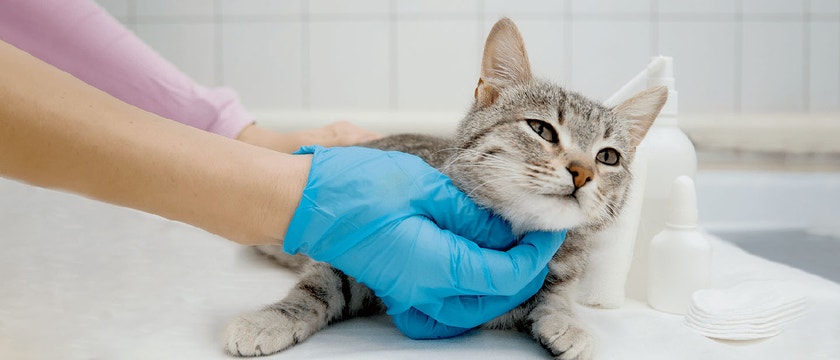
Cat Neutering
As kittens grow, their natural urge to reproduce will begin to manifest. Male cats may start spraying, marking territory, or become more aggressive, while female cats in heat may become vocal, restless, extra affectionate, or more eager to escape outdoors in search of a mate. In this stage, taking preventive measures such as neutering will help prevent unplanned pregnancies and support your cat’s health.
What is Neutering/Castration in Cats?
Cat neutering is a surgical procedure that involves the removal of a cat’s reproductive organs. It is essentially a routine veterinary practice that prevents male and female cats from reproducing. The term “neuter” applies broadly, although it is often used specifically for males, while female cat neutering is commonly called spaying. The procedure is simple, safe, and widely recommended for both adult cats and kittens.
Neutering (Male) vs Spaying (Female)
Neutering a male cat involves removing the testicles through a small surgical incision. This process is relatively quick and does not usually require stitches, as the incision is small enough to heal naturally. Male cats generally recover rapidly, especially if the procedure is performed during the kitten stage.
Female cat neutering, or spaying, is more complex because it involves removing the ovaries and uterus. The surgery requires a small incision in the abdomen and is carried out under strict veterinary supervision. Since it is an internal procedure, it takes slightly longer to heal compared to male neutering.
How Does Castration Affect Cat Behaviors?
Cat neutering has a direct impact on behaviors that are influenced by hormones. In male cats, neutering reduces testosterone levels, which helps control behaviors such as territorial marking, roaming, and certain behaviors linked to aggression. These changes are often more noticeable when the procedure is performed early.
Despite these changes, neutering does not alter a cat or a kitten’s core personality, intelligence, or learned behaviors. Your cat will continue to display the same affectionate and playful nature, but without the stress caused by mating instincts. In female cats, neutering removes the hormonal cycles associated with heat so they are less likely to yowl, become restless, or attempt to escape in search of a mate.
Can You Neuter a Cat in Heat
Yes, female cat neutering is possible during heat, but veterinarians may recommend waiting until the heat cycle ends. When a female cat is in heat, the blood vessels around the reproductive organs can become more enlarged, which may make the procedure slightly more delicate. If your cat is safely indoors and away from male cats, your vet may suggest waiting around one to two weeks after the heat cycle ends before scheduling the procedure.
However, if there is a risk of pregnancy or your cat has access to male cats, your veterinarian may still decide that spaying during heat is the better option. This is especially important for outdoor cats, as they can become pregnant multiple times a year. A single litter may also have kittens from different fathers, which can happen when a female cat mates with more than one male during the same heat cycle.
Benefits of Cat Castration
- Cat neutering helps prevent unwanted breeding, reducing the number of strays. This is especially important in urban areas, where overpopulation can become a serious concern.
- From a health perspective, female cat neutering eliminates the risk of uterine infections and lowers the chances of reproductive cancers.
- Male cats benefit from reduced risk of testicular diseases and fewer injuries caused by territorial fights.
- Behaviorally, neutered cats are less likely to spray, roam, or show aggression.
- These changes make cats safer as indoor pets and reduce the likelihood of accidents or conflicts with other animals.
When to Neuter a Cat?
Many vets recommend neutering cats before they reach sexual maturity, often around four to six months old. This timing helps prevent unplanned pregnancies and may reduce hormone-driven behaviors before they grow into adults. For female cats, neutering before the first heat cycle may also provide added health benefits.
However, the right timing can vary depending on your kitten’s weight, health, vaccination schedule, and overall development. While a kitten neuter procedure is often ideal, it is always best to consult your veterinarian to decide the safest timing for your cat’s specific needs.
Cat Care After Neutering
Here are tips to care for a neutered cat or kitten.
- After neutering your cat, keep them in a quiet, calm space away from noise, children, and distractions.
- Limit movement. Jumping or running can put strain on the surgical area and delay recovery.
- For the first 7 to 10 days, confine your cat to a small, safe area with easy access to food, water, and a litter box.
- Provide a soft, warm resting space to ensure comfort during after neutering cat recovery and to reduce stress.
- It is normal for your cat to appear slightly less active or more subdued for a few days after the procedure.
- Regularly check the incision site as part of cat care after neutering for any redness, swelling, or discharge.
- Contact your veterinarian immediately if you notice unusual signs or delayed healing.
- With proper care, most cats recover quickly and return to their normal routine within a short time.
A Healthier Life Starts with Cat Neutering
Cat neutering is a simple but meaningful step in supporting your cat’s long-term health and well-being. By understanding when to neuter a cat and following the right cat care tips after neutering, you can help your pet recover smoothly and live a calmer, safer life at home. For more guidance on kitten care, feeding, and everyday cat health, explore the WHISKAS® blog and learn more ways to support your cat at every life stage.