
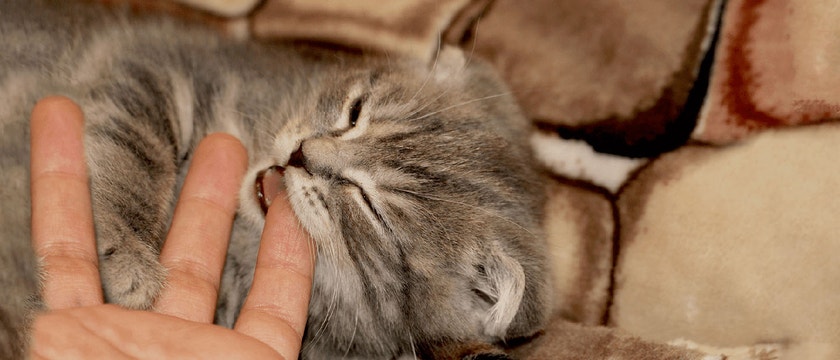
Cat Stress: Symptoms and Treatment
Cats may be known for their independent personalities, but they can experience stress and anxiety just like other pets. Changes in their environment, routine, or relationships can leave some cats feeling unsettled, and the signs are not always easy to spot. Understanding the causes and signs and symptoms of a stressed cat can help you recognize when something is wrong and take steps to help them feel safe and comfortable again.
What Causes Stress In Cats?
Cats thrive on routine and familiarity, so changes in their environment can often lead to stress and anxiety. Common causes of cat stress include moving to a new home, loud or unfamiliar noises, vet visits, travel, changes in routine, new family members or pets, and tension with other animals in the household. Pain or an underlying medical condition can also cause behavioral changes that may appear similar to stress.
Why Are Some Cats More Prone to Developing Chronic Stress Than Others?
Some cats are naturally more sensitive to stress than others. Factors like a cat's personality, socialization, past experiences, health condition, or home environment can influence how easily a cat becomes stressed. Cats that have limited access to safe spaces, resources, play, or control over social interactions may also find it harder to cope with ongoing stressors. Recognizing changes in your cat’s normal behavior can help you address potential problems early.
Different Signs of Cat Stress
The first step to reducing stress in cats is to take note of the signs and symptoms. Here are 10 signs that your cat is stressed:
Excessive licking or grooming
Some stressed cats may groom themselves more frequently than usual or repeatedly lick the same area. However, excessive grooming can also be caused by skin conditions, pain, or other health problems.
Reduced appetite
Stress can sometimes cause cats to eat less than usual or lose interest in their favorite food. A persistent loss of appetite should always be discussed with your veterinarian, as it may also indicate an underlying health issue.
Reluctance to use the litter tray
Stress may contribute to changes in litter tray habits, including urinating or defecating outside the cat litter tray. Because urinary and digestive conditions can cause similar behavior, sudden changes should be checked by a veterinarian.
Being withdrawn
A stressed cat may spend more time hiding, avoid people or other pets, or become less interested in their usual social interactions.
Increased vocalization
Some cats may meow, yowl, or vocalize more frequently when they feel unsettled or anxious.
Restlessness
A stressed cat may pace, struggle to settle down, or appear unusually alert to movements and sounds around them.
Changes in play
Cats experiencing stress may become less interested in toys, playtime, or activities they normally enjoy.
Increased scratching or marking
Some cats may scratch furniture more frequently or begin urine spraying as a way of marking their surroundings when they feel insecure.
Changes in body language
Flattened ears, a tucked or rapidly flicking tail, crouching, wide pupils, or a tense posture can indicate that your cat feels uncomfortable or threatened.
Irritability or aggression
A stressed cat may become less tolerant of handling or react defensively toward people or other animals. Sudden aggression can also be linked to pain or illness so veterinary advice may be needed.
How to Help a Stressed Cat?
Mentioned below are some of the effective ways that reduce stress in cats.
Proper Diet and Nutrition
Proper nutrition plays an important role in managing stress by supporting your cat’s overall health, energy levels, and normal body functions. Providing complete and balanced cat food at regular times also helps maintain a familiar routine.
Enrichment toys
Catnip, toys, puzzle feeders, scratching posts, and other enrichment activities manage stress by keeping your cat mentally stimulated and encourages natural behaviors such as hunting and scratching.
Put up perches
Giving your cat quiet hiding places and elevated perches can help them feel more secure. High resting areas allow cats to observe their surroundings from a comfortable distance, while boxes or covered beds give them somewhere to retreat when they need space.
Playing with your cat
Regular play sessions can provide exercise, mental stimulation, and positive interaction with your cat. But if your cat is not interested in playing, respect their space and allow them to interact when they feel ready.
When to Seek Professional Help for Cat Stress?
If your cat’s stress and anxiety persist, consult your veterinarian or a qualified feline behaviorist. They can help identify possible triggers, rule out underlying health conditions, and recommend appropriate behavioral, environmental, or medical support to help manage your cat’s stress.
Creating a Stress-Free Life for Your Cat
Helping your cat feel secure starts with a calm environment, predictable routines, proper nutrition, and plenty of opportunities to rest, play, and interact on their own terms. By learning what is normal for your cat and responding early when something changes, you can better support their comfort and overall well-being. For more tips on cat behaviour, nutrition, and everyday care, explore the WHISKAS® blog.