
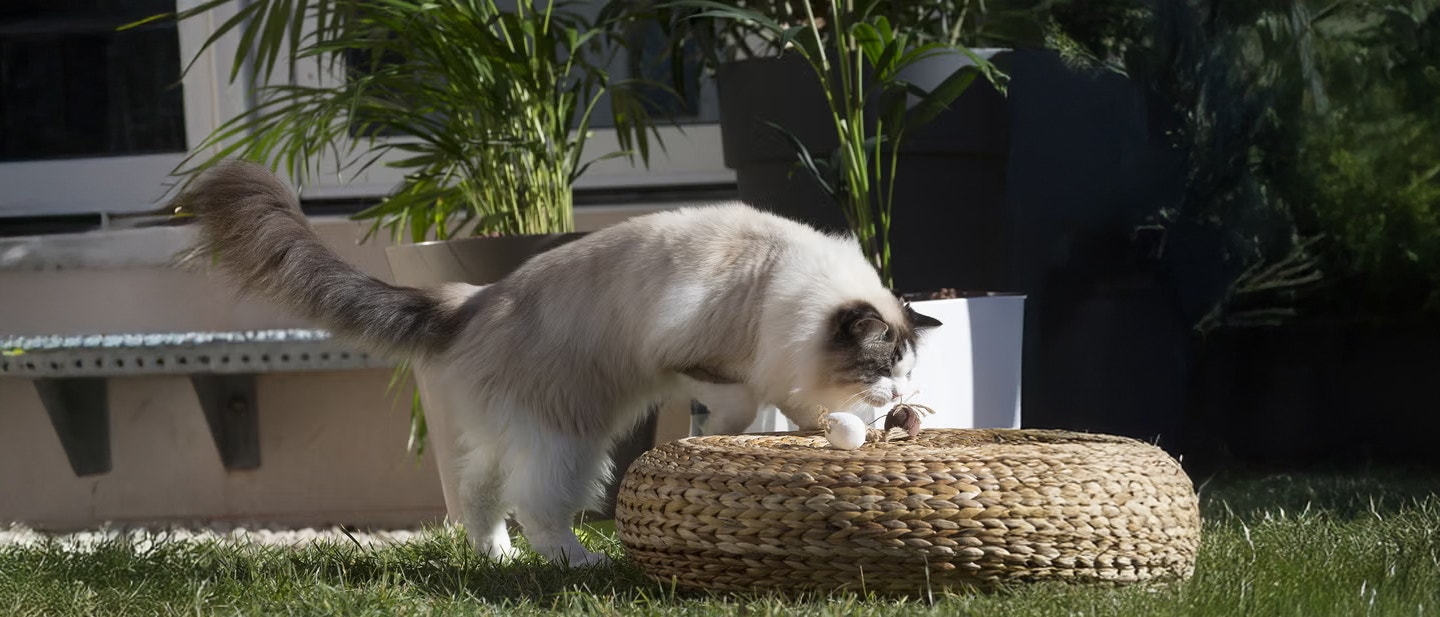
Cat and Ringworm: Symptoms, Causes & Treatments
When caring for your pet, skin health is just as important as following a balanced diet(open in new tab). Among the many skin conditions cats can contract, one of the most common yet easily overlooked diseases is ringworm. This fungal infection should never slip under your radar, as it can cause significant discomfort for your cat and may also affect other members of your household.
Because of its highly contagious nature, a better understanding of ringworms in cats is a must for every pet parent. In this guide, we'll cover everything you need to know about your cat and ringworm causes, symptoms, and treatment so you can take better care of your fur baby and loved ones.
What is Ringworm in Cats?
Ringworm in cats, also called dermatophytosis, is a highly contagious fungal infection that can affect a cat’s skin, coat, and nails. It’s caused by a fungus called Microsporum canis, which feeds off keratin, a protein that’s found in hair, nails, and the outer layer of skin.
Despite its name, ringworm is not a worm. The term comes from the red, circular “ring” lesions the fungus can cause in humans. In cats, ringworm doesn’t always appear as a perfect circle. Instead, it may manifest as patchy hair loss, brittle fur, or scaly skin. Since symptoms can be subtle or even appear absent, proper diagnosis requires veterinary testing.
Causes of Ringworm in Cats
When left untreated, ringworm can easily spread to both humans and other animals. Understanding the main causes of ringworms in cats is the first step to prevention.
How Cats Get Ringworm
Ringworm spreads easily in three ways:
Direct contact with an infected animal or person.
Indirect contact via contaminated objects such as bedding, brushes, or furniture.
Environmental exposure, since fungal spores can survive in soil, carpets, or on household surfaces for up to 18 months.
Direct contact with spores usually results in infection when they enter through scratches or small wounds. A healthy cat may resist infection, but cats and ringworm become more closely linked when immune defenses are weak. Moreover, immunosuppressed cats (cats with a weak immune response) can get infected even without open skin.
Risk Factors
Not every exposed cat will get sick, but certain conditions increase susceptibility. The most notable risk factors for ringworms in cats include:
Age: Kittens and older cats are more vulnerable due to weaker immune systems.
Immune Health: Cats with a weak immune system or with illnesses like Feline Immunodeficiency Virus (FIV) are more likely to contract ringworm.
Nutrition: Poor cat nutrition(open in new tab) can lead to stress or a compromised immune system.
Climate: Cats in warm and humid regions are more susceptible since these conditions encourage fungal growth
Living conditions: Overcrowded shelters, catteries, and multi-cat homes increase risk especially if hygiene is poor.
Lifestyle: Outdoor cats(open in new tab) are more likely to encounter contaminated soil or surfaces carrying spores.
Skin trauma: Cats with cuts, scratches, or flea bites(open in new tab) provide easy entry points for ringworm spores.
Fur Length: Ringworms are common on breeds like Persian cats(open in new tab) since their long and dense coats can trap spores and hide scratches.
Symptoms of Ringworm in Cats
Early detection makes treatment easier and helps stop the infection from spreading. The challenge with cats and ringworm is that signs can vary widely, from obvious bald patches to hidden lesions. Recognizing both the common and less obvious symptoms will make it easier for you to spot an infection.
What do ringworms look like? Common Signs to Look For
The most recognizable signs of ringworms in cats include:
Circular or irregular bald patches (alopecia).
Scaly, flaky, or crusty skin.
Brittle or broken hairs around the lesion.
Excessive scratching, biting, or grooming.
Dull or rough-looking coat.
Thickened or inflamed areas of skin
Red or gray scaly lesions, often on the head, chest, front legs, or spine.
Dandruff-like flakes.
In more severe cases, cats may develop:
Raised, pus-filled nodules that can ooze.
Widespread baldness with inflamed skin.
Rough, brittle, or deformed claws
Less Obvious Symptoms
Some cats, especially long-haired breeds, can carry ringworms without showing any visible signs. This makes them asymptomatic carriers that can spread the fungus even if they appear to be perfectly healthy. Overall, subtle signs to watch for include:
Hidden bald patches under thick fur.
Nail infections that cause claws to look rough or irregular.
Changes in grooming behavior without clear skin irritation.
Diagnosing Ringworm in Cats and When to See a Vet
Because symptoms like hair loss and skin lesions can also be caused by other skin diseases,(open in new tab) food allergies(open in new tab), or cat worms(open in new tab), proper testing ensures that your cat gets the right treatment. To rule out other causes, veterinarians will use several diagnostic tools to confirm the presence of ringworm in cats:
Wood’s lamp test: Some strains of Microsporum canis glow yellow-green under ultraviolet light. However, not all dermatophytes fluoresce, so this test is not always reliable on its own.
Microscopic exam: Hair and skin scrapings can be examined under a microscope to detect fungal spores or hyphae.
Fungal culture: Considered the gold standard, this involves placing hair or skin samples in a special medium to grow and identify the fungus. Results can take several days to three weeks, but it is the most accurate test.
PCR testing: A newer method that can detect fungal DNA more quickly, useful in difficult cases.
Skin biopsy: Rarely required but may be used if other conditions need to be ruled out.
As a rule of thumb, it’s best to see your vet the moment you suspect infection. Getting veterinary care as soon as possible will enable you to properly manage the infection before it can spread or progress.
Treatment for Ringworm in Cats
Treating ringworm requires veterinary guidance and patience. While mild infections may clear in 4–6 weeks, moderate to severe cases often take several months of consistent treatment. Because fungal spores are resilient and can linger in the environment, you should never stop therapy early even if your cat’s skin looks better. Ending treatment too soon increases the risk of recurrence and allows the infection to spread again to other pets and family members.
To ensure complete recovery, veterinarians often recommend a combination of methods. Let’s take a closer look at the main treatments for ringworm in cats and how each one helps your fur baby recover.
Topical Treatment for Ringworm in Cats
Topical therapy is commonly used to treat mild or localized infections and is often combined with oral medication in more widespread cases. These treatments kill fungi directly on the skin and coat while reducing spores of ring worms on your cat.
Options include:
Antifungal creams or ointments (such as miconazole, clotrimazole, or terbinafine) that are applied directly to lesions.
Medicated shampoos containing miconazole and chlorhexidine, which help reduce fungal spores across the body.
Lime sulfur dips, typically performed twice a week under veterinary guidance.
Cats with long coats or extensive lesions may need to be shaved. For small patches, only affected areas are trimmed, but in long-haired breeds or severe infections, a full-body shave may be recommended to allow better penetration of medication and reduce environmental contamination.
Oral Medications for Ringworm in Cats
When infections are moderate, widespread, or involve the claws, oral antifungal medication is usually necessary. The most prescribed oral medications include:
Itraconazole – The most widely prescribed and highly effective oral antifungal for cats. A veterinary-approved liquid formulation is available, making it easier to administer compared to pills.
Terbinafine – Another effective option that is often well tolerated and useful when itraconazole is not suitable.
Griseofulvin – A historical antifungal that can still be effective but is less commonly used today thanks to the entrance of safer and better alternatives.
Oral medications are usually given daily or in pulse doses over several weeks to months, depending on the severity of infection. Since these medications can affect the liver or cause digestive upset, veterinary supervision and blood tests will be essential for treatment.
Environmental Cleaning
Even the best medication won’t be enough if your cat’s environment isn’t clean. Ringworm spores are incredibly resilient so treatment must come together with proper home hygiene.
Steps for effective environmental control include:
Vacuum and mop regularly: Remove shed hairs and dust daily from areas your cat normally lingers in.
Wash fabrics in hot water: Bedding, blankets, towels, and clothes that your cat uses should be washed with detergent in hot water, then dried completely to kill spores.
Disinfect hard surfaces: Use a diluted bleach solution or a veterinary-approved disinfectant. Allow proper contact time before rinsing or letting surfaces air-dry.
Treat carpets and upholstery: For porous areas, consider professional steam cleaning to help eliminate spores.
Limit your cat’s space: While under treatment, keep your cat in an easy-to-clean room to reduce contamination and make daily cleaning more manageable.
Practice good hygiene: Wash your hands after handling your cat, and wear gloves when applying medication or cleaning their environment.
Can Cats Recover from Ringworm?
The good news is that most cats recover fully from ringworm. With proper treatment, improvements are often visible within 2–3 weeks of therapy, though lesions may appear unchanged during the first week as the medication begins to take effect.
But take note that a relapse is possible if treatment is not carried out correctly. Cats are at greater risk of recurrence if:
Treatment is stopped too soon.
Only topical therapy is used for widespread infections.
They have an underlying immune-compromising disease(open in new tab) such as FeLV or FIV.
In rare cases, ringworm can persist despite therapy, which is why it’s important to work closely with your veterinarian to monitor progress. As a pet parent, your role is critical, so you need to make sure of the following:
Follow the treatment plan exactly as prescribed.
Clean and disinfect your home regularly to prevent reinfection.
Isolate infected cats from other pets until cleared by your vet.
With a full treatment course and diligent environmental cleaning, most cats make a complete recovery and can return to their happy, healthy selves.
Preventing Ringworm in Cats
With regard to your cat and ringworm, prevention is always better than cure. Here are some steps you can take today to minimize the risk of infection.
Hygiene and Grooming
Good grooming is one of the best defenses against ringworm. Regular brushing helps keep your cat’s coat healthy and allows you to notice small changes, such as bald patches or scaly skin, at an early stage. Occasional baths with cat-safe shampoos may also help reduce surface contaminants. Early detection and routine care are key to prevention.
Household Precautions
Prevention also means creating a safe home environment. Have new pets examined by a veterinarian before introducing them to your household, especially if you have multiple cats. Disinfect shared areas and common surfaces regularly to reduce the risk of fungal spores taking hold. In multi-pet homes, this added layer of precaution helps keep everyone safe.
Complete and Balanced Nutrition
A proper diet is the best way to secure your cat’s health. Feeding your little one with complete and balanced cat food(open in new tab) ensures that they get all the nutrients they need to support their immune system, skin, and coat.
Can You Get Ringworms from Your Cat?
Yes, since ringworm is a zoonotic disease, which means it can spread from different species. In humans, ringworm typically appears as small, circular patches of red, thickened, and scaly skin with raised edges. If you notice these symptoms after contact with an infected cat, consult a doctor for antifungal treatment.
Fortunately, most human cases respond well to topical or oral antifungal medication and clear up quickly. But do be aware that children, elderly family members, and people with weakened immune systems are at the highest risk of infection. To protect yourself and your family while your cat is under treatment:
Wear gloves when handling your cat or applying medication.
Wash your hands thoroughly with soap and water after every interaction.
Disinfect bedding, grooming tools, and surfaces regularly until your vet confirms the infection is gone.
Your Cat and Ringworm Infections: Keeping Your Home Safe
Ringworm may be one of the most common skin conditions in cats, but with early recognition, proper treatment, and diligent cleaning, it is completely manageable. Most cats recover fully with veterinary care, and pet parents who stay proactive can greatly reduce the risk of infection.
For more guidance on caring for your feline from skin health to nutrition make sure to explore the WHISKAS® blog(open in new tab). Our expert tips and resources are here to help you give your fur baby the best life possible!