
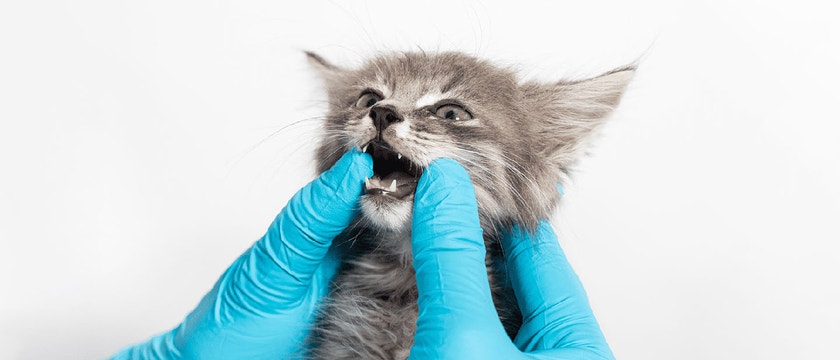
Cat Gingivitis – Causes, Symptoms, and Care
Cat gingivitis is one of the most common dental problems in cats and occurs when the gums become inflamed. While mild cases can be managed, untreated gingivitis may cause discomfort and progress to periodontal disease. Understanding the cause of gingivitis in cats and knowing how to prevent it can help you protect your cat’s teeth, gums, and overall comfort.
What Is Gingivitis in Cats?
Gingivitis in cats is inflammation of the gums caused by plaque and bacteria buildup along the gumline. The condition can cause redness, swelling, bad breath, and discomfort around the teeth. Mild gingivitis cabe reversed with proper dental care, but without treatment, severe gingivitis in cats may progress to periodontal disease and affect the tissues and bones that support the teeth.
What Causes Feline Gingivitis?
The main cause of gingivitis in cats is plaque accumulation along the gumline. Plaque contains bacteria that can irritate the gums and lead to redness, swelling, and discomfort. Several factors may also contribute to the development of feline gingivitis, including:
Age
Gingivitis can occur at any age but becomes more common in older cats since they naturally accumulate more plaque and tartar. However, kitten gingivitis can also occur in young cats, particularly around the time their permanent teeth are emerging.
Dental Alignment and Trauma
Crowded, misaligned, broken, or fractured teeth can create spaces where bacteria accumulate, increasing the risk of gum inflammation.
Lack of Dental Care
Without regular brushing and professional dental cleanings, plaque hardens into tartar, which can irritate the gums and lead to mild gingivitis in cats.
Underlying Health Concerns
Certain infectious, immune-related, or systemic conditions may contribute to gum inflammation. Persistent or severe gingivitis may therefore require further veterinary investigation to identify an underlying cause.
Symptoms of Gingivitis in Cats
Recognizing the signs of cat gingivitis early can help prevent long-term dental problems.
Red, Swollen, or Bleeding Gums
Inflamed gums are one of the clearest signs of gingivitis. You may notice redness or swelling where the gums meet the teeth.
Bad Breath
Occasional bad breath is normal, especially after eating. But persistent, bad breath is often one of the first signs of bacteria and plaque buildup in the mouth.
Drooling
Some cats drool excessively when their gums are sore. In some cases, saliva may contain small traces of blood.
Reduced Appetite
Painful gums can make chewing uncomfortable. Cats may hesitate to eat, drop food while eating, or develop a stronger preference for softer meals.
Behavioral Changes
Cats experiencing oral discomfort may experience stress and become withdrawn, irritable, or reluctant to have their face touched.
Diagnosing and Treating Cat Gingivitis
A veterinary examination is essential to confirm cat gingivitis and to assess the severity of the condition. Cat gingivitis remedies and treatment may include:
Dental scaling and polishing
Professional dental cleaning removes plaque and tartar from above and below the gumline. This is often an important treatment for early-stage gingivitis and is typically performed under general anaesthesia.
Tooth extraction
Severe gingivitis in cats may require tooth extraction. Teeth affected by advanced periodontal disease, severe damage, or other painful dental conditions may need to be removed to relieve discomfort and prevent further complications.
Medications
Depending on the cause and severity, your veterinarian may prescribe pain relief, anti-inflammatory medication, antibiotics, or other treatments. However, medication alone does not replace proper removal of plaque and tartar.
Specialized therapies
For severe gingivitis in cats or chronic inflammatory conditions such as gingivostomatitis, more advanced therapies or surgical treatment may be recommended.
Preventing Cat Gingivitis
If you're wondering how to prevent gingivitis in cats, the best approach is to establish a consistent dental care routine from an early age. While there's no way to treat gingivitis in cats at home, there are several steps you can take to prevent it.
Cleaning your kitten's teeth
Regular brushing with a cat-safe toothbrush and toothpaste helps prevent plaque buildup and reduces the risk of kitten gingivitis.
Regular checks
Check your cat's teeth and gums regularly for redness, swelling, bad breath, or other early signs of cat gingivitis.
Dental care supplements
Veterinarian-recommended dental diets and oral care products with proven plaque or tartar-control benefits can help support your cat’s dental health. But take note that these products should supplement regular brushing and professional veterinary dental care rather than replace them.
Supporting Your Pet Through Cat Gingivitis Care
Keeping your cat's teeth and gums healthy starts with consistent dental care and recognizing changes early. By regularly checking their mouth, maintaining good oral hygiene, and seeking veterinary care when needed, you can help prevent mild gingivitis from developing.. For more advice on your cat's health, nutrition, and everyday care, feel free to explore the WHISKAS® blog.