
Cat in Heat: Signs, Heat Cycle & What to Do
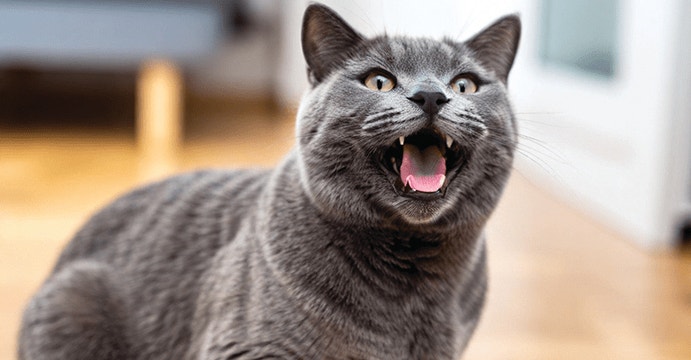
Cats can display some surprising behaviors when they enter heat, including loud vocalization, restlessness, increased affection, and even urine spraying. These changes are driven by hormonal shifts that occur during the cat heat cycle (or cat estrous cycle) which is a natural part of reproduction in unspayed female cats. Understanding how the heat cycle works, how long it lasts, and what signs to expect can help you keep your cat safe and comfortable while preventing unwanted pregnancies.
When Do Cats Go Into Heat?
A female cat usually goes into heat after reaching sexual maturity, typically within 4-12 months. Cats are seasonally polyestrous, which means they can experience multiple heat cycles during the breeding season, especially when daylight hours are longer. Cats living in warm climates or indoor cats exposed to artificial lighting may experience more heat cycles throughout the year.
At What Age Do Cats Come into Heat?
Most kittens experience their first estrous cycle between 5 and 9 months old, although some may start as early as 3-4 months. The timing can vary depending on factors such as breed, body condition, and individual development. Once a cat reaches sexual maturity, she can become pregnant during her first heat.
How Long Are Cats In Heat?
Each cat heat cycle generally lasts several days, with an average duration of around seven days. During this period, cats are highly receptive to mating and may display noticeable changes in behavior.
How Often Does a Cat Go into Heat?
An unspayed female cat may go into heat every 2 to 3 weeks during the breeding season. If a cat does not mate, the period between two heat cycles is relatively shorter. The cat heat cycle continues until she becomes pregnant or is spayed.
Signs of a Cat in Heat
When a cat is in heat, you may notice a few changes in her behavior. Common signs include:
- Loud and frequent meowing or yowling
- Increased affection toward people
- Rubbing against furniture and walls
- Rolling on the floor
- Restlessness and pacing
- Raising the hindquarters and moving the tail to one side
- Increased urination or urine spraying
- Attempts to escape outdoors
- Temporary decrease in appetite
What To Do if Your Cat Is in Heat
Being in heat is a natural part of a cat’s estrous cycle. The behavioral changes can sometimes lead to stress and restlessness, but there are many simple things you can do to keep her comfortable. Although these steps will not stop the cycle itself, the tips below can make the heat cycle easier to manage:
- Keep your cat indoors to prevent unwanted mating.
- Provide extra attention and playtime.
- Create a calm and quiet environment.
- Offer comfortable resting areas.
- Keep litter trays clean, as some cats urinate more frequently.
- Engage your cat with toys and enrichment activities.
How To Prevent Heat Cycles in Cats
Spaying is the most effective way to prevent future heat cycles and unwanted pregnancies. It can also help reduce heat-related behaviors and offers additional health benefits, including lowering the risk of certain reproductive conditions. Speak with your veterinarian about the most suitable time to spay your cat based on her age, health, and individual needs.
Understanding Your Cat Through Every Heat Cycle
A cat in heat may become more vocal, affectionate, restless, or interested in going outdoors, but these changes are a natural part of her reproductive cycle. By understanding the signs of a cat in heat and knowing what to expect throughout the cat heat cycle, you can prevent unwanted pregnancies, help manage her stress and restlessness, and create a calm supportive environment. For more advice on cat health and care, visit the WHISKAS® blog to learn more!