
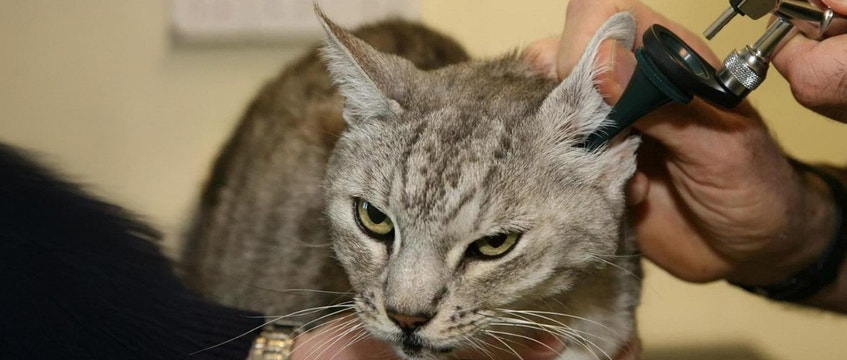
Ear Mites in Cats: Symptoms, Prevention, Treatment
Ear mites are a very common health issue for our feline friends. These tiny parasites live inside your cat’s ear canal and cause a great deal of discomfort. As a pet parent, understanding what ear mites are, how to spot them, and how to treat them early is essential to keeping your cat healthy and happy.
What are Ear Mites in Cats?
Ear mites, scientifically known as Otodectes cynotis, are microscopic bugs that thrive inside a cat’s ear canal. These parasites are highly contagious and spread easily from one animal to another. While they are usually not dangerous if treated promptly, they can cause intense itching and irritation. However, untreated ear mites in cats can lead to severe inflammation, swelling, and even secondary bacterial or yeast infections.
Signs & Symptoms of Ear Mites in Cats
Recognizing the signs of ear mites in cats is the first step to diagnosis and treatment. While signs may vary on a case-by-case basis, ear mites in cats symptoms normally include:
Head-shaking
Thick, dark ear debris
Strong odor from the ear
Red, inflamed ear canals
Frequent scratching of the ears
Hair loss around the ears and eyes
Keep in mind that some of these symptoms can overlap with other conditions such as allergies,(open in new tab) ear infections(open in new tab), or ringworms(open in new tab). When in doubt, it’s best to consult your veterinarian for guidance.
What Causes Ear Mites in Cats?
Ear mites are highly contagious and are usually spread through direct contact. Similar to fleas(open in new tab), cats can be easily exposed to ear mites especially if they’ve spent some time outside or interacted with other animals.
In most cases, cats typically get ear mites from other infected cats and dogs in their vicinity. Since they can transfer between hosts easily, this is precisely the reason why they are very common in animal shelters and multi-pet households. They can also get them from infested bedding, grooming tools, or shared spaces, so cleaning regularly is a must.
Diagnosing Ear Mites in Cats
If you are wondering what do ear mites look like, you’ll need to see a veterinarian. Ear mites are microscopic parasites that are very difficult to spot with the naked eye, so to confirm the issue, your vet will perform an ear cytology (microscopic examination of cells) for a proper diagnosis. Even if ear mites are not found but still suspected, the vet may recommend ear mite treatment to eliminate the risk entirely.
How To Treat Ear Mites in Cats?
Depending on the severity, ear mite treatment for cats can come in many different forms.
Topical Drops: These are medicated ear drops or ointments applied directly into the ear canal to kill the mites. Your vet will usually clean the ears first to ensure the medication works effectively.
Spot-On Treatments: Many modern flea and tick preventatives applied to the back of the neck can remove current and prevents future cases of ear mite infections.
Injectable Medicines: In severe cases, or if your cat is difficult to medicate at home, a vet may administer an injectable treatment.
Treatment for kitten ear mites may differ slightly, as young kittens require age-appropriate, gentle medications. Considering how sensitive kittens can be, it’s best to avoid home treatments since this may worsen their condition. Proper ear cleaning for adult cats and kittens alike should only be done using vet-approved products and techniques.
Recovery and Management of Ear Mites
Most cats start feeling relief after just a few days of treatment as the medication reduces itching and inflammation. However, it is vital that you do not stop the treatment early, even if your cat seems perfectly fine.
The ear mite life cycle is about three weeks so if you stop treatment too soon, surviving eggs can hatch, and the infestation will return. To prevent re-infestation, wash your cat’s bedding, toys, and grooming tools in hot water. If you have other pets in the house, ask your vet if they should be treated as well, since mites spread so easily.
How long does it take to get rid of ear mites in cats?
With consistent and proper treatment, a mite infestation usually clears up in 3 to 4 weeks. While your cat will likely feel much better within the first week, full healing takes time and depends on the severity of the infection and the medication used. Monitoring your cat proactively and staying in close contact with your vet is the best way to ensure a speedy recovery.
How To Prevent Ear Mites In Cats?
Like any other cat disease, prevention is always better than cure. Knowing how to prevent ear mites in cats can save your furry companion a lot of discomfort so take note of these simple steps:
- Keep your cat indoors to minimize exposure to infected animals.
- Check your cat’s ears regularly for dirt, redness, or unusual odors.
- Maintain a schedule of regular veterinary check-ups.
- Use a monthly parasite preventative recommended by your vet that includes protection against mites.
- Disinfect your cat’s bedding and grooming materials frequently
A healthy immune system also helps your cat fight off potential issues. Ensure you are feeding them a complete and balanced diet, like WHISKAS® cat food, which provides the essential nutrients they need to stay strong and active.
Protecting Your Cat From Ear Mites
Ear mites may be common in cats, but with proper care and early attention, they are highly manageable and preventable. By recognizing the symptoms early, maintaining good hygiene practices, and staying consistent with veterinary care, you can help protect your cat from discomfort and recurring infections.
Keeping yourself informed about your cat’s health and behavior is one of the best ways to support their long-term wellbeing. From common health concerns to everyday care tips, learning more about your cat’s needs can help you make better decisions for a happier and healthier life together. For more cat care tips, nutrition advice, and expert guidance, visit the WHISKAS® Blog today.