
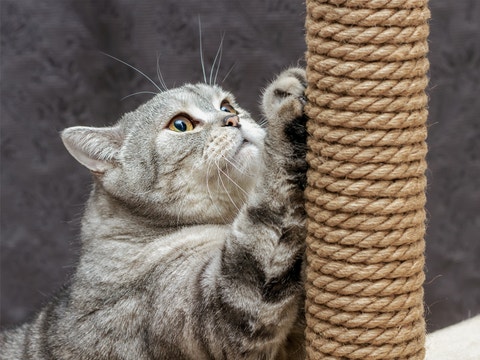
Cat Scratching And Clawing And Its Treatments
As pet parents, we love how cats are immensely playful and interactive. But as amusing and adorable as they may be, the felines we love are not completely devoid of naughtiness and might end up playfully scratching. Although cat scratching and clawing are an instinctive reaction, it can still be painful to deal with. Let’s uncover the different reasons why cats scratch, how to manage it, and how to deal with both a deep cat scratch and a small one.
Why Is Cat Scratching A Problem?
Scratching is a natural and instinctive behavior for cats. While occasional scratching is normal, excessive or inappropriate scratching can become a problem if it damages furniture, causes injury, or happens alongside other unusual behaviors. Understanding the reasons for cats scratching can help pet parents tell the difference between normal scratching habits and potential concern.
Why Do Cats Scratch?
Here are the most common reasons for cat scratching:
Cats scratch to remove the outer layers of their claws and keep them in good condition.
Cats may scratch while stretching their muscles, helping them loosen up and release tension.
Cats scratch to mark their territory using both visible scratch marks and scent released from glands in their paws.
A cat scratching at the floor, carpet, or other surfaces may be trying to release pent-up energy.
Cats may also scratch to get their owner's attention. Some cats learn that scratching gets a reaction from their pet parents, which can encourage them to repeat the behavior.
Frequent scratching of the ears or skin may indicate irritation, an ear infection, allergies, or ear mites.
How to Identify a Cat Scratching Problem?
While scratching is a normal cat behavior, changes in your cat’s scratching habits may indicate a problem. Look out for signs such as:
A sudden increase in how often or how intensely your cat scratches.
Frequent scratching of furniture, carpets, walls, or other household surfaces, especially in new or unusual areas.
Damaged or broken claws may cause discomfort and behavioral changes.
Excessive scratching or licking of the skin and ears, particularly if accompanied by redness, hair loss, scabs, or wounds.
Changes in body language, such as restlessness, tense posture, pinned ears, or frequent tail flicking while scratching.
How Can I Stop My Cat From Scratching?
Since scratching is a natural behavior, the goal is not to stop your cat from scratching but to manage it positively.
Place scratching posts or scratchers in areas where your cat frequently scratches and reward them with treats or praise whenever they use them.
Keeping your cat mentally stimulated with toys, climbing trees, and interactive play can also reduce unwanted cat scratching caused by boredom.
Regular nail trimming can help minimize damage without affecting your cat's natural behavior.
How Do I Correct My Cat's Behavior For Inappropriate Scratching?
Correcting inappropriate scratching takes patience, consistency, and positive reinforcement. Instead of punishing your cat, focus on redirecting the behavior toward appropriate scratching surfaces.
Avoid yelling at or physically disciplining your cat, as punishment may increase fear or stress.
Gently redirect your cat to a scratching post, pad, or other appropriate surface whenever they scratch furniture or other household items.
Place scratching posts near areas your cat already likes to scratch to make them easier to use.
Reward your cat with praise, play, or treats when they use the appropriate scratching surface.
Provide enough playtime and enrichment to help your cat release energy and reduce boredom-related scratching.
Cat Scratches Treatment
A small scratch from a cat can be easily treated at home with basic first aid. However, a deep cat scratch may require medical attention especially if signs of an infection persist. If you get a cat scratch on your arm, leg, or any body part, here’s what to do:
Wash the scratched area thoroughly with soap and clean running water as soon as possible.
If the scratch is bleeding, apply gentle pressure with a clean cloth or bandage until the bleeding stops.
Keep the wound clean and monitor it for signs of infection, such as increasing redness, swelling, warmth, pain, or discharge.
Seek medical attention for deep scratches, severe bleeding, or wounds that become increasingly painful or swollen.
If the scratch came from an unfamiliar, stray, or potentially unvaccinated cat, seek medical advice promptly because animal scratches can carry a risk of rabies exposure.
Supporting Healthy Claws for Life
Cat scratching is an instinct that supports your feline's physical and emotional well-being. Understanding the reasons behind it can help prevent unwanted scratching and help you get a better picture of your cat’s wellbeing. With positive reinforcement, appropriate scratching outlets, and proper care, you can encourage healthy scratching habits while protecting both your cat and your home. For more information on cat care, explore the WHISKAS® blog for proven tips!