
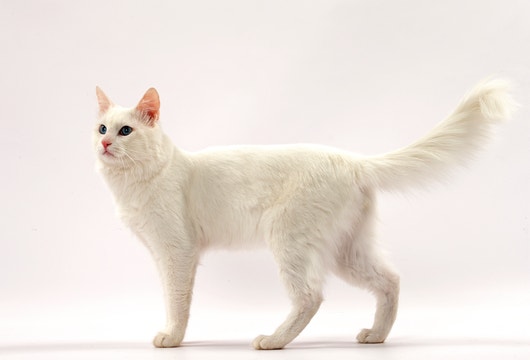
Turkish Angora
The Turkish Angora is one of the oldest and most elegant cat breeds, treasured for its silky coat, graceful build, and lively personality. Originating in Turkey centuries ago, this breed has captivated families worldwide with its affectionate nature, intelligence, and lively spirit. Known for their adaptability and striking looks, Turkish Angoras remain a rare yet cherished companion. Whether you are planning to welcome a kitten into your household or are looking for practical care tips for your Turkish Angora, understanding this breed's unique needs will ensure your feline companion enjoys a happy, healthy, and enriching life.
Turkish Angoras Physical Appearance
The Turkish Angora is admired for its elegant, slender body, fine‑boned frame, and long, plumed tail. Their medium-to-long silky coats flow gracefully, giving them a regal look. While pure white is the most iconic, they come in many colors, such as black, blue, red, cream, tabby, and tortoiseshell. Their almond‑shaped eyes can be blue, amber, green, or odd‑eyed, adding to their striking appearance.
Turkish Angoras Personality and Temperament
Below is a quick look at how Turkish Angora’s temperament and personality typically ranks across different traits.
Legend:
⭐ = Poor
⭐⭐⭐⭐⭐ = High/excellent
| Trait | Rating |
| Friendliness | ⭐⭐⭐⭐⭐ |
| Ability to adapt | ⭐⭐⭐⭐ |
| Behavior towards other pets | ⭐⭐⭐⭐ |
| Energy and playfulness | ⭐⭐⭐⭐⭐ |
| Tendency to obesity | ⭐⭐ |
| Overall health | ⭐⭐⭐⭐ |
| Life expectancy | ⭐⭐⭐⭐⭐ |
| Easy to train | ⭐⭐⭐⭐⭐ |
| Advisable for first-time owners | ⭐⭐⭐⭐ |
Key Characteristics of Turkish Angoras
Let's look at the Turkish Angora characteristics at a glance. Keep in mind that values can vary from one cat to another.
| Average lifespan | Turkish Angoras' lifespan is usually between 12 and 20 years |
| Weight | A Turkish Angora's weight typically ranges from 5 to 12 lbs, depending on age and gender. |
| Height | The height for this cat breed ranges from 9 to 14 inches |
| Coat | They have silky, medium-to-long coats that rarely mat |
| Size | Turkish Angoras have a small-to-medium, muscular build |
| Personality | They are intelligent, mischievous, and have a playful personality |
| Origin | Turkish Angoras originated in ancient times in Ankara, Turkey, |
Turkish Angoras History
As one of the oldest natural cat breeds, the Turkish Angora’s history dates to the 16th century, when the cats originated in the Ankara (formerly Angora) region of Turkey. They were highly valued in their homeland, often considered national treasures and kept by royalty. Introduced to Europe around the 16th century, they became popular among aristocrats. Over time, crossbreeding with other long‑haired cats nearly led to their disappearance. Conservation programs, especially in Turkey, helped preserve and restore the pure breed. Today, Turkish Angoras are admired worldwide for their elegant appearance, rich heritage, and enduring historical significance.
Types of Turkish Angora Coat Colors
While recognized internationally as a single, unified breed with no official sub-types, their coats come in a beautiful array of patterns. Knowing the different Turkish Angora Cat colors can help you identify their variations:
- Solid Colors: Classic pure white is the most famous, but they also appear in stunning solid black, soft blue, vibrant red, and delicate cream.
- Tabby Patterns: Displaying classic, mackerel, or spotted striped coat variations in silver, red, or brown tones.
- Bicolor Patterns: A beautiful combination of solid white patches mixed with solid colors like black, blue, or red.
- Tortoiseshell: A gorgeous, mottled blend of black, red, and cream patches, typically seen almost exclusively in female cats.
How Long Do Turkish Angoras Live?
The average Turkish Angora lifespan is 12-20 years. Like other cats, genetics, nutrition, lifestyle, and regular veterinary care are equally important factors that affect lifespan. With proper care and nutrition throughout each life stage, Turkish Angoras can remain affectionate companions for many years.
How to Care for Turkish Angoras?
Turkish Angora care involves meeting their physical and emotional needs:
- Exercise: These active and agile cats enjoy climbing, exploring, and interactive play sessions that keep them mentally and physically stimulated.
- Training: Highly intelligent and curious, Turkish Angoras can learn tricks, puzzle games, and basic commands.
- Environment: They thrive in spacious homes with cat trees, window perches, and opportunities to observe their surroundings.
- Companionship: Turkish Angoras are affectionate and highly social, often seeking attention and involvement in family activities.
- Veterinary Care: Regular health checkups, dental care, and vaccinations are needed. White Turkish Angoras, especially those with blue eyes, may also be at higher risk of congenital deafness, so routine hearing checks may be recommended.
Turkish Angoras Grooming and Maintenance
While not hypoallergenic, Turkish Angora grooming is simple compared to that of other long-haired breeds. Grooming and maintenance should include:
- Weekly Brushing: To remove loose hair and manage shedding.
- Nail Care: Ensure routine Nail trimming every 2 to 3 weeks.
- Dental Hygiene: Regular brushing with vet-approved cat toothpaste to maintain healthy gums.
- Ear Cleaning: Check and clean ears regularly to prevent infection, ear mites, and wax buildup.
Are Turkish Angoras Suitable for Indoor Living in the Philippines?
Yes, they adapt wonderfully to indoor living in the Philippines, but they require active enrichment and climate comfort. Because of their elegant, single-layer coat, they do not overheat as easily as heavy, double-coated breeds. However, their long, silky fur still means they are most comfortable in well-ventilated, cool, or air-conditioned indoor spaces.
To keep them happy indoors, you must provide safe vertical climbing towers and cat trees, as Turkish Angoras love to look down on their surroundings from the highest point in the room. Also ensure they have constant access to fresh, cool water and plenty of interactive toys to channel their playful energy.
Turkish Angoras Nutrition and Diet
The Turkish Angora requires complete and balanced nutrition that supports its active lifestyle, silky coat, and lean body condition
- High-quality animal protein: Supports strong muscles and provides energy for this agile and playful breed.
- Omega-3 and Omega-6 fatty acids: Crucial for maintaining the Turkish Angora's long, silky coat and healthy skin.
- Taurine: Supports cardiovascular health and vision.
- Essential vitamins and antioxidants: Help strengthen immunity and support healthy aging.
- Controlled calories: Turkish Angoras can become overweight if overfed, making portion control important.
- Adequate hydration: Supports kidney and urinary tract health.
Turkish Angoras thrive on balanced nutrition that supports their active lifestyle and silky coat. Kittens require nutrient-dense food for healthy growth, while adults need quality protein and essential fatty acids to maintain muscle and coat health. Seniors may benefit from diets that support mobility and healthy ageing.
On top of high-quality cat food, also make it a point to actively manage portions. You can start by following the feeding guidelines in your chosen cat food then adjust as needed. But for tailored recommendations, its best to consult with your vet.
The Timeless Elegance of the Turkish Angora Cat
The Turkish Angora is a beautiful blend of physical grace, sharp intelligence, and playful charm. With their silky coats, feathered tails, and historic legacy, they continue to be one of the most treasured companions in the world If you are looking for a loyal, energetic, and highly interactive partner to bring joy and elegance into your home, the Turkish Angora is a truly timeless choice. For more information on cat breeds and feline care, take some time to explore the WHISKAS® blog.