
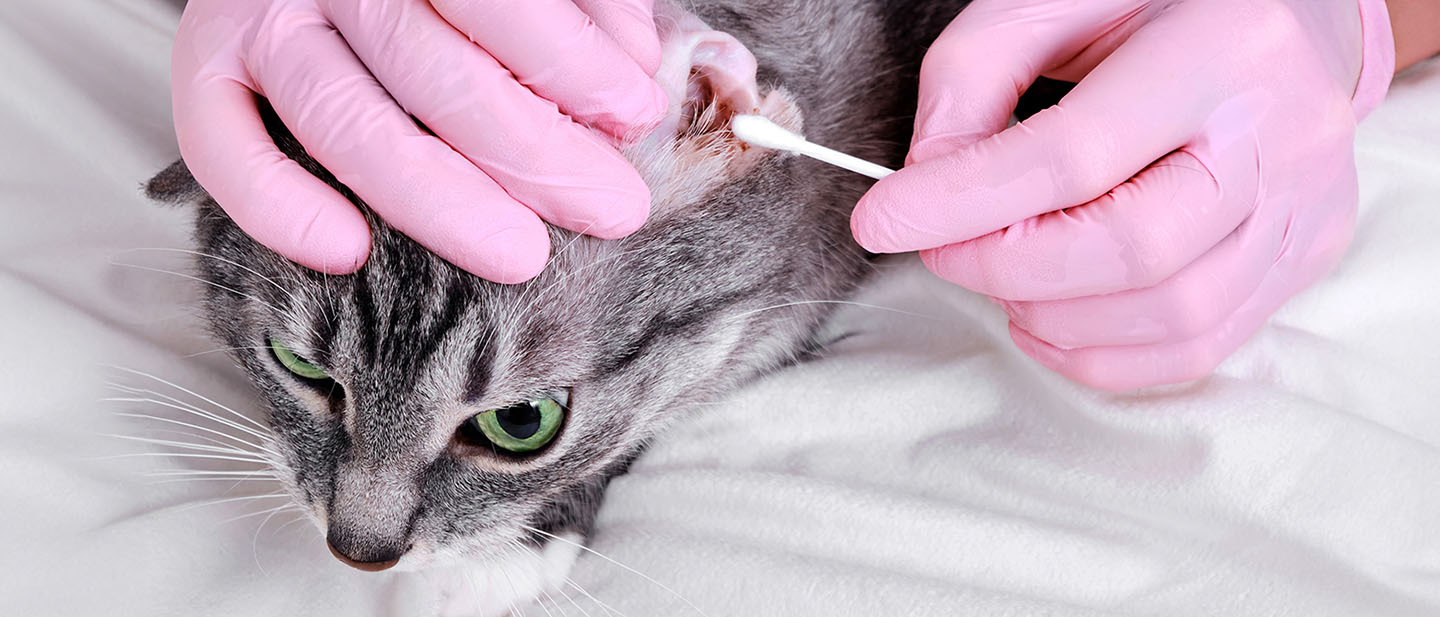
Cat Ear Infection: Symptoms, Causes, and Treatment
Is your feline friend constantly scratching their ears or shaking their head? These could be early signs of a cat ear infection. While cat ear disease may seem minor at first, neglecting an ear infection may lead to serious health issues.
Cats are masters at hiding pain and discomfort, which makes it important for pet parents to learn how to spot problems early. In this guide, we'll explore the common causes, symptoms, treatment options, and prevention tips to help keep your cat's ears healthy.
Ear Infections in Cats
A cat ear infection happens when the ear canal becomes inflamed or infected, causing discomfort and irritation. It can affect one or both ears and may lead to scratching, head shaking, bad odor, discharge, redness, or swelling. While many ear infections in cats can be treated with proper veterinary care, they should not be ignored. Without the right diagnosis and treatment, it may develop into a chronic cat ear infection that can affect your cat’s comfort, hearing, and overall quality of life.
What Causes Ear Infections in Cats?
So how do cats get ear infections? In most cases, they begin when something disrupts the ear canal. Below are some of the most common causes pet parents should know.
- Ear mites or other parasites: Ear mites are one of the most common causes of outer ear infections in cats and can lead to itching, inflammation, and dark ear debris.
- Wax buildup: Too much wax can trap dirt and moisture in the ear canal, sometimes leading to irritation or cat ear discharge.
- Bacteria or yeast: Overgrowth of bacteria or yeast in a cat's ears can cause irritation and make cat ears smelly and inflamed.
- Allergies: Environmental or food allergies may contribute to itching, inflammation, and recurring ear problems.
- Growths or underlying health conditions: Polyps, tumors, autoimmune conditions, and other cat diseases can affect the ear canal and require veterinary care.
- Improper ear cleaning: Cleaning too deeply or using the wrong products may irritate the ear, cause injury, or worsen existing ear problems.
- Advanced infection or injury: Cats with a swollen ear may point to a hematoma, severe irritation, or an infection that needs prompt veterinary attention.
Signs and Symptoms of a Cat Ear Infection
One of the best ways to support healthy cat ears is to recognize the early signs of cat ear disease. Here are some common symptoms to look out for:
- Frequent scratching or pawing at the ears
- Head shaking or tilting
- Redness or swelling around the ear flaps
- Dark, yellowish, or black cat ear discharge
- Foul odor or cat ears smelly more than usual
- Unusual buildup of wax or debris in the ear canal
- Sensitivity or discomfort when the ears are touched
- Loss of balance or difficulty hearing
How Do Veterinarians Diagnose Cat Ear Infections?
If you suspect your cat has an ear infection, your veterinarian will examine your cat’s ears to find the appropriate treatment. During the check-up, your vet may:
- Examine the outer ear and ear canal for redness, swelling, discharge, odor, wax buildup, or signs of pain
- Use an otoscope to look deeper into the ear canal and check for inflammation, debris, or possible damage to the eardrum.
- Examine a sample of ear discharge or debris using a swab to check for ear mites, bacteria, or yeast.
- Recommend further tests if the infection is severe, recurring, or suspected to be linked to allergies, polyps, tumors, or another disease
How to Treat Ear Infections in Cats?
Cat ear infection treatment depends entirely on the underlying cause diagnosed by your vet. Treatment typically involves:
- Professional cleaning: The vet will safely remove debris and wax.
- Medicated drops: Antibacterial or antifungal drops are commonly prescribed.
- Parasite control: Specific medications are used to eliminate ear mites.
When dealing with younger felines, kitten ear infection treatment must be carefully supervised by a vet, as their ears are incredibly delicate. Never ignore the symptoms, as untreated issues can escalate into a painful chronic condition.
How to Prevent Ear Infections in Cats?
Staying proactive with ear care can help you spot ear infections before they become serious. Here are some ways to help protect your cat’s ears:
- Check your cat’s ears regularly. Look for redness, swelling, discharge, strong odor, or excess wax.
- Use only vet-recommended cat ear cleansers when cleaning
- Avoid inserting cotton buds or other objects deep into the ear canal, as this may push debris further in or cause injury.
- Keep your cat’s ears dry after baths or grooming to help prevent moisture buildup.
- Do not use ear mite drops, medicated cleansers, or home remedies unless recommended by a veterinarian.
- Schedule a vet visit if you notice itching, head shaking, discharge, swelling, or unusual odor from your cat’s ears.
Can I Treat Cat Ear Infections at Home?
No, a cat ear infection should not be treated at home without guidance from a veterinarian. While gentle cleaning may help remove surface dirt or wax, using the wrong cleanser, ear drops, or home remedy can irritate the ear further. For safe and effective cat ear infection treatment, your vet will first need to identify the cause then prescribe the proper treatment. This is especially important for young cats, as kitten ear infection treatment is a lot more sensitive.
Handling Cat Ear Infections with Care
Cat ear infections may seem minor, but should never be ignored. By knowing what healthy cat ears look like and understanding the common symptoms of a cat ear infection, pet parents can act early and prevent discomfort. If you notice changes in your cat’s ears, consult your veterinarian for diagnosis and proper cat ear infection treatment.
Looking to take more steps toward better pet care? For more tips and guidance on cat health, nutrition, and everyday care, make sure to visit the WHISKAS® blog.