
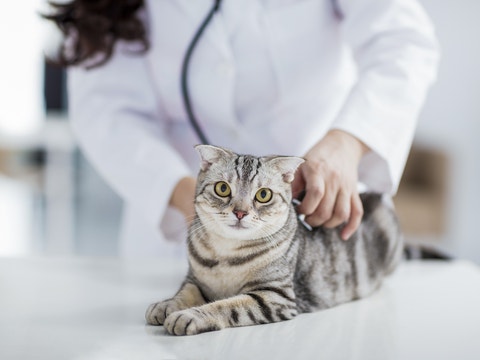
Toxoplasmosis in Cats - What Cat Parents Should Know
Cat vaccinations play an important role in feline health. Staying up to date with vaccines helps protect your furry one against serious infectious diseases such as feline distemper, rabies, and other common cat diseases. As a cat parent, making sure your cat gets the protection they need is one of the most caring things you can do for them. In this guide, we’ll break down what vaccines cats need, what a typical cat vaccination schedule looks like, and what you should know before and after vaccination.
KEY TAKEAWAYS
- Cat toxoplasmosis is caused by the parasite Toxoplasma gondii and is usually mild in healthy cats.
- Most infected cats show no symptoms, but kittens and immunocompromised cats are at higher risk.
- Cats shed the parasite in their feces for only 1 to 2 weeks after initial infection.
- Indoor cats fed commercial diets like WHISKAS have a much lower risk of infection.
- Pregnant women should practice good litter box hygiene and consult their doctor.
What Is Toxoplasmosis in Cats?
Cat toxoplasmosis is a disease caused by the microscopic parasite Toxoplasma gondii. Cats are the definitive hosts, meaning the parasite can only produce eggs (oocysts) in a cat's intestines. After infection, a cat sheds eggs in their feces for about 10 to 14 days. While cat toxoplasmosis is widespread, most infected cats show no symptoms and live perfectly normal, healthy lives.
What Are the Signs and Symptoms of Toxoplasmosis in Cats?
For most healthy felines, cat symptoms of toxoplasmosis are unnoticeable. However, symptoms of toxoplasmosis in kittens and cats with weakened immune systems may include fever, lethargy, loss of appetite, vomiting, diarrhea, difficulty breathing, jaundice, and neurological signs like seizures or loss of coordination. If you notice any of these symptoms, consult your veterinarian promptly.
What Causes Toxoplasmosis in Cats?
The causes of toxoplasmosis include ingesting infected prey like rodents or birds, consuming raw meat containing cat toxoplasma gondii, or contact with contaminated soil. Cat feces toxoplasmosis transmission occurs when another cat ingests eggs from a shared litter box. Indoor cats that eat commercial food and spend less time outdoors.
How Is Toxoplasmosis in Cats Diagnosed?
If infection is difficult to spot, then how do you know if a cat has toxoplasmosis? While symptoms can vary, veterinarians typically use blood tests to measure antibody levels, along with a thorough health history and physical examination.
How Is Toxoplasmosis in Cats Treated?
Cat toxoplasma treatment typically involves antibiotics such as clindamycin to slow the infection. There is no cure that eliminates the parasite entirely, but most cats respond well to treatment. Supportive care may be needed for severe cases. Always follow your veterinarian's prescription and never attempt to treat your cat with human medications.
How to Prevent Toxoplasmosis in Cats?
A few simple habits can help reduce your cat's risk of cat toxoplasmosis and other other parasitic infections, such as worms in cats:
- Keep your cat indoors to reduce hunting and contact with contaminated soil.
- Feed complete and balanced cat food rather than raw or undercooked meat.
- Scoop the litter box every day, as oocysts generally need time in the environment before becoming infectious.
- Wear gloves when cleaning the litter box and wash your hands thoroughly afterwards.
- Wash your hands after gardening or handling soil.
Understanding Toxoplasmosis for Better Cat Care
Toxoplasmosis can be worrying, but simple hygiene practices can help reduce the risk for both you and your cat. According to the WALTHAM® Petcare Science Institute, routine parasite prevention and good hygiene are important parts of preventive healthcare for cats, helping reduce the risk of zoonotic diseases that can pass between animals and people.
By focusing on balanced nutrition, regular veterinary care, and simple daily hygiene, you can help keep your cat happy, healthy, and thriving throughout every stage of life. For more tips on cat health, nutrition, and everyday care, explore the WHISKAS® blog.